Agriculture & Nutrition
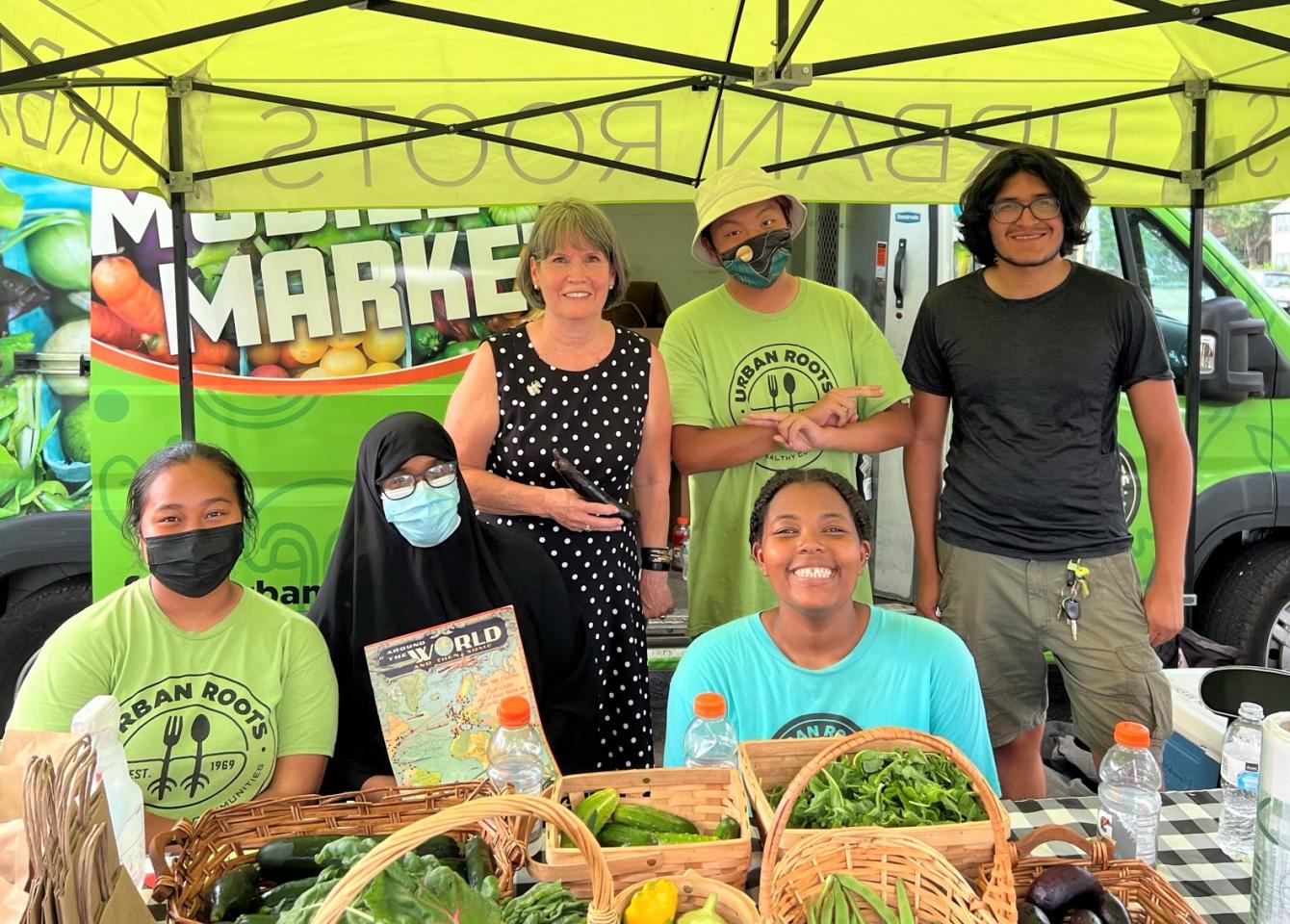
Minnesota has a strong tradition of family farmers who help provide the nutritious foods that are fundamental to the success of healthy communities. In recent decades, we have also seen the development of urban agriculture in our Twin Cities.
As a member of the Agriculture and Rural Development Appropriations Subcommittee, I'm committed to ensuring agriculture programs are sufficiently funded. I strongly support nutrition assistance programs like the Supplement Nutrition Assistance Program (SNAP), the Special Supplemental Nutrition Program for Women, Infants, and Children (WIC), and farmers' markets programs that increase access to healthy and locally-grown foods. We must ensure that our family farmers have the resources they need and that all Minnesotans are able to provide nutritious foods for their families.
More on Agriculture & Nutrition
Mr. Speaker, on June 10, 2013, Congressman Ellison and I hosted a listening session at the Minnesota State Capitol. We heard from Minnesotans affected by the House Farm Bill’s proposed cuts to the Supplemental Nutrition Assistance Program. Below is testimony delivered by Dale Simonson and Patricia Lull.
Testimony from Dale Simonson, Minnesota Department of Human Services
For Immediate Release: July 9, 2013
Contact: Maria Reppas, (202) 225-6631 / (202) 527-0149 maria.reppas@mail.house.gov
Congresswoman McCollum Rejects GOP Effort to Strip Away Nutrition Programs in a New Farm Bill
Mr. Speaker, I remain in strong opposition to the House Federal Agriculture Reform and Risk Management Act of 2013 (H.R. 1947) otherwise known as the ‘Farm Bill’. On June 20, 2013, I along with the majority of my colleagues voted against the House Republican’s extreme bill. Now farmers in Minnesota and across this country are depending on Congress to reach a bipartisan agreement that will continue to grow our agricultural economy and enable us to best meet our future agriculture needs.
For Immediate Release: June 20, 2013
Contact: Maria Reppas, (202) 225-6631 / (202) 527-0149 maria.reppas@mail.house.gov
Republican Bill Would Have Denied Food Assistance to 2 Million Poor Children, Seniors, Working Families
June 10, 2013 - 1:30 PM | Minnesota State Capitol - Room 15
Saint Paul, MN— On Monday, June 10th, Congresswoman McCollum will host a listening session at 1:30 PM at the Minnesota State Capitol to discuss the impact of proposed cuts to the Supplemental Nutrition Assistance Program (SNAP) by the U.S. House Agriculture Committee. Anti-hunger leaders will provide testimony about the impact of this proposal on Minnesota’s low-income children, families and seniors.
June 10, 2013 - 1:30 PM
Minnesota State Capitol - Room 15
Saint Paul, MN— On Monday, June 10th, Congresswoman McCollum will host a listening session at 1:30 PM at the Minnesota State Capitol to discuss the impact of proposed cuts to the Supplemental Nutrition Assistance Program (SNAP) by the U.S. House Agriculture Committee. Anti-hunger leaders will provide testimony about the impact of this proposal on Minnesota’s low-income children, families and seniors.
Washington D.C-- Yesterday’s devastating tornado that hit Moore, Oklahoma is a national tragedy. The significant loss of life, young and old, is heartbreaking and we mourn with all of those who have lost loved ones. For the injured and the many families who have lost their homes, my prayers are with you.
Friday, May 18, 2013
Remarks, as prepared:
Dr. Levine, Dr. Bell, Regent Devine, President Bruininks, University faculty members, distinguished guests, parents, family members, and friends – I am thrilled to be here honoring the CFANS graduating class of 2013.
Graduates – congratulations! You have done it!
Remarks, as prepared:
Dr. (Allen) Levine, Dr. (Jay) Bell, Regent (Thomas) Devine, President Bruininks, University faculty members, distinguished guests, parents, family members, and friends – I am thrilled to be here honoring the CFANS graduating class of 2013.
Graduates – congratulations! You have done it!
Tonight is a time for celebration, you’ve all earned it. Graduating from college is a milestone you will always remember. Your parents will always remember this moment as well, likely with a great sense of relief.
McCollum Introduces Legislation to Form Special Committee to Address Military Sexual Assault